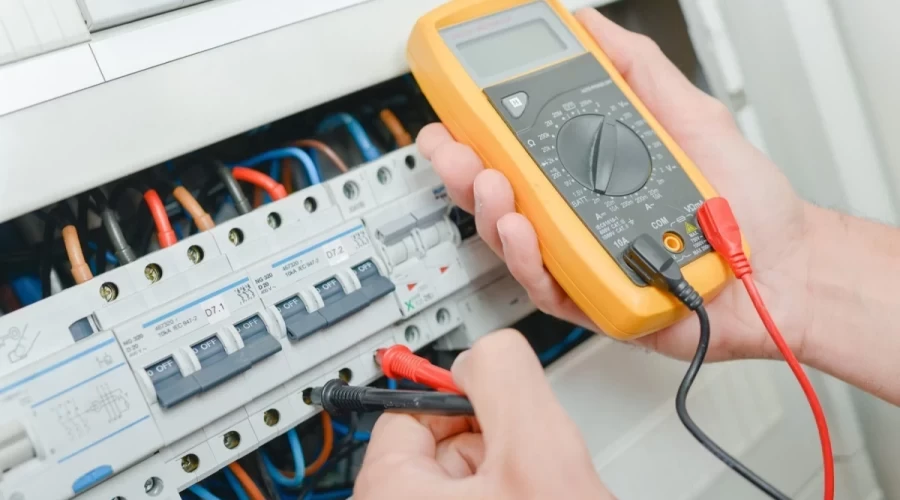
The EICR, or Electrical Installation Condition Report, is a thorough examination of the electrical systems and installation in your home. During the inspection, any condition, degradation, or flaw that might pose a risk will be evaluated and noted.
Every electrical system and installation found in either residential or commercial buildings is thoroughly inspected.
What is the purpose of an electrical installation condition report?
An electrical installation condition report has five basic objectives:
Make sure the electrical installation is safe to use until the next inspection by recording the findings of the inspection and testing (following any work needed to make it safe)
Find any wear and tear or damage that might compromise safety and report it.
Inspect the electrical installation for any components that do not adhere to the IET Wiring Regulations.
Identify anything that might generate high heat and electric shocks…
At the time of the inspection and for future inspection testing, provide a crucial record of the installation.
What are the possible legal repercussions?
The Electrical Safety Standards in the Private Rented Sector (England) Regulations 2020
According to recent government regulations, landlords are now required to make sure every fixed electrical installation is examined and tested by a qualified individual at least every five years. According to the regulations, a landlord must also get a report detailing the findings of the inspection and testing, give a copy to each tenant within 28 days, and hold onto the original document until the next inspection is scheduled.
The rule is applicable to new tenancies as of July 1, 2020. Before the start of the tenancy, a landlord must as of this date provide a tenant with an acceptable EICR Report.
The rule is effective for all current tenants as of April 1, 2021. Any present renters must get a copy of the landlord's satisfactory EICR report.
MultiCerts has conducted periodic tests for a sufficient amount of time to be aware of all the crucial areas that require testing. A successful test conducted under our supervision will reveal:
Any critically overloaded equipment or circuits.
Fires and electrical shocks might be concerns.
Electrical work that is defective (if any), or for which bonding or earthing is required.
How do the codes translate?
The Electrical Installation Condition Report is an instructive record of all your electrical equipment and circuits and if the system is at a safety risk, rather than a simple pass or fail. Observations are recorded using four classification codes:
C1: danger present. Immediate remedial action is required.
C2: potentially dangerous. Urgent remedial action is required.
C3: improvement recommended. A C3 observation does not on its own make a report unsatisfactory.
FI: further investigation required without delay.
A C1 or C2 observation makes the report unsatisfactory. For rented homes in England, any remedial or further investigative work the report requires must be completed within 28 days, or sooner if the report specifies. The work needed depends on the actual findings, so an unsatisfactory report does not automatically mean major work such as a new consumer unit.
We advise having your house's electrical safety inspected every 10 years if it's an owner-occupied home or every 5 years if it's a rental property. Every three years, you should have the periodic inspection performed if you reside in a caravan. If your house contains a pool, you'll need a separate Electrical Installation Condition Report (EICR), which is only good for a year.
To evaluate the electrical state of your property, MultiCerts has only employed qualified and well-trained experts due to the delicate nature of periodic inspections. After our crew has thoroughly examined your property, you will be given an Electrical Installation Condition Report (EICR) outlining all of their findings.